
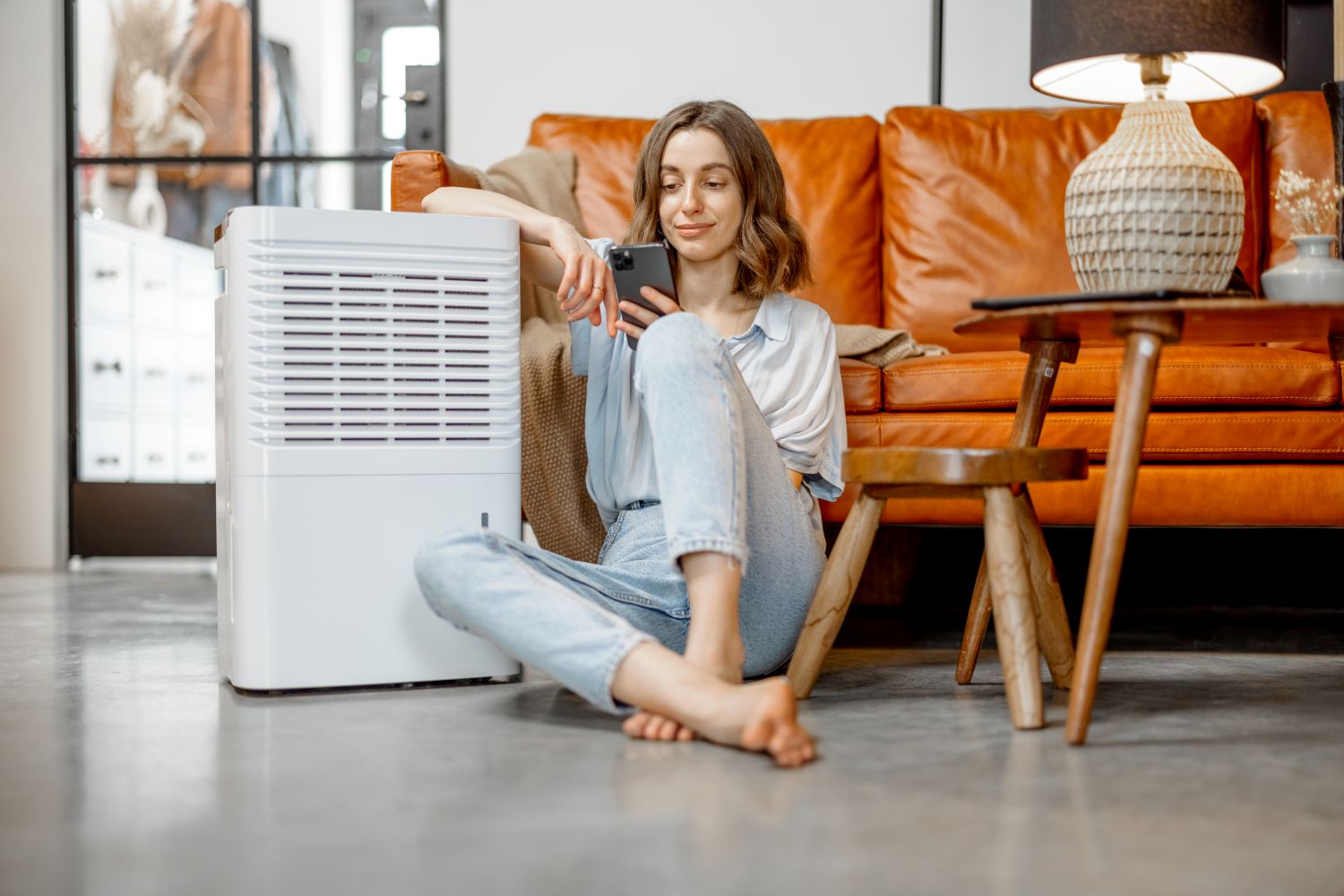
In an age where indoor air quality is becoming increasingly important, air purifiers have emerged as essential appliances for many households. These devices help remove pollutants, allergens, and odors from the air, contributing to a healthier living environment. However, with various types of air purifiers available, understanding how they work and how to use them effectively is crucial for maximizing their benefits. This guide will provide you with the information you need to understand and utilize home air purifiers effectively.
1. Understanding How Air Purifiers Work
Filtration Systems
Air purifiers use different filtration systems to remove contaminants from the air. The most common types include:
- HEPA Filters: High-Efficiency Particulate Air (HEPA) filters are designed to capture at least 99.97% of particles that are 0.3 microns in size, including dust, pollen, pet dander, and smoke. These filters are widely regarded as the gold standard in air purification.
- Activated Carbon Filters: These filters are effective in removing odors, gases, and volatile organic compounds (VOCs) from the air. They work by adsorbing harmful particles, making them ideal for eliminating smells from cooking, pets, or smoke.
- UV-C Light Filters: Some air purifiers use ultraviolet light to kill bacteria, viruses, and mold spores. While these filters can enhance the overall air quality, they are often used in conjunction with HEPA filters for comprehensive purification.
Air Purifier Types
Different types of air purifiers cater to various needs:
- Portable Air Purifiers: These are standalone units designed for single rooms. They are easy to move and can be placed in areas where air quality is a concern.
- Whole-House Air Purifiers: Integrated into the home’s HVAC system, these purifiers clean the air throughout the entire house. They are usually more expensive but provide comprehensive air purification.
- Ionizers: These devices release negatively charged ions into the air, which attach to positively charged particles, causing them to settle out of the air. While they can reduce airborne particles, they may produce ozone, which can be harmful in high concentrations.
2. Choosing the Right Air Purifier
Assess Your Needs
Before purchasing an air purifier, consider the following factors:
- Room Size: Determine the size of the area you want to purify. Air purifiers come with specifications indicating the square footage they can effectively cover. Choose a model that matches your room size for optimal performance.
- Type of Pollutants: Identify the specific pollutants you want to target. If you have allergies, look for HEPA filters. For odors and gases, consider those with activated carbon filters.
- Noise Level: Some air purifiers can be noisy, especially on higher settings. Consider models that operate quietly if you plan to use them in bedrooms or workspaces.
Read Reviews and Ratings
Research different brands and models, paying attention to customer reviews and expert ratings. This information can provide insights into the performance and reliability of various air purifiers.
3. Setting Up Your Air Purifier
Optimal Placement
To maximize the effectiveness of your air purifier, consider the following placement tips:
- Central Location: Position the purifier in a central location within the room, away from walls and furniture that could obstruct airflow.
- Height Matters: Elevating the purifier off the ground can enhance its performance, as many pollutants are found at or near head height.
- Avoid Obstacles: Ensure that the air purifier is not placed under furniture or in corners, where airflow may be restricted.
Follow Manufacturer Instructions
Carefully read the manufacturer’s instructions for setup, operation, and maintenance. Proper installation and usage are key to achieving optimal performance.
4. Maintaining Your Air Purifier
Regular Filter Changes
To ensure your air purifier operates efficiently, regular maintenance is essential:
- Check Filters: Monitor filter indicators (if available) and replace filters as recommended by the manufacturer. HEPA filters typically need replacement every 6-12 months, while activated carbon filters may need to be changed more frequently.
- Clean the Unit: Periodically wipe down the exterior of the air purifier to remove dust and debris. Follow the manufacturer’s recommendations for cleaning any internal components.
Monitor Performance
Keep an eye on the air purifier’s performance. If you notice a decrease in air quality or an increase in noise levels, it may be time to check the filters or consult the manufacturer’s guidelines.
5. Enhancing Air Quality Further
Complementary Practices
While an air purifier can significantly improve indoor air quality, consider combining it with other practices for even better results:
- Ventilation: Open windows and doors when possible to allow fresh air to circulate, especially when using cleaning products or cooking.
- Regular Cleaning: Dust and vacuum your home regularly to reduce the accumulation of allergens and pollutants.
- Houseplants: Some indoor plants can help purify the air naturally. Consider incorporating air-purifying plants, like spider plants or peace lilies, to enhance air quality.
Conclusion
Investing in a quality air purifier can greatly enhance your indoor air quality and contribute to a healthier living environment. By understanding how air purifiers work, choosing the right model for your needs, setting it up properly, maintaining it diligently, and adopting complementary practices, you can create a space that promotes well-being and comfort. With cleaner air, you’ll enjoy improved health, increased energy levels, and a more pleasant home atmosphere. Breathe easier and embrace the benefits of a well-chosen air purifier!